
Yükleniyor...
Yükleniyor...
Discover essential information for liver health and protection methods related to hepatitis. Important tips for a healthy life are here.
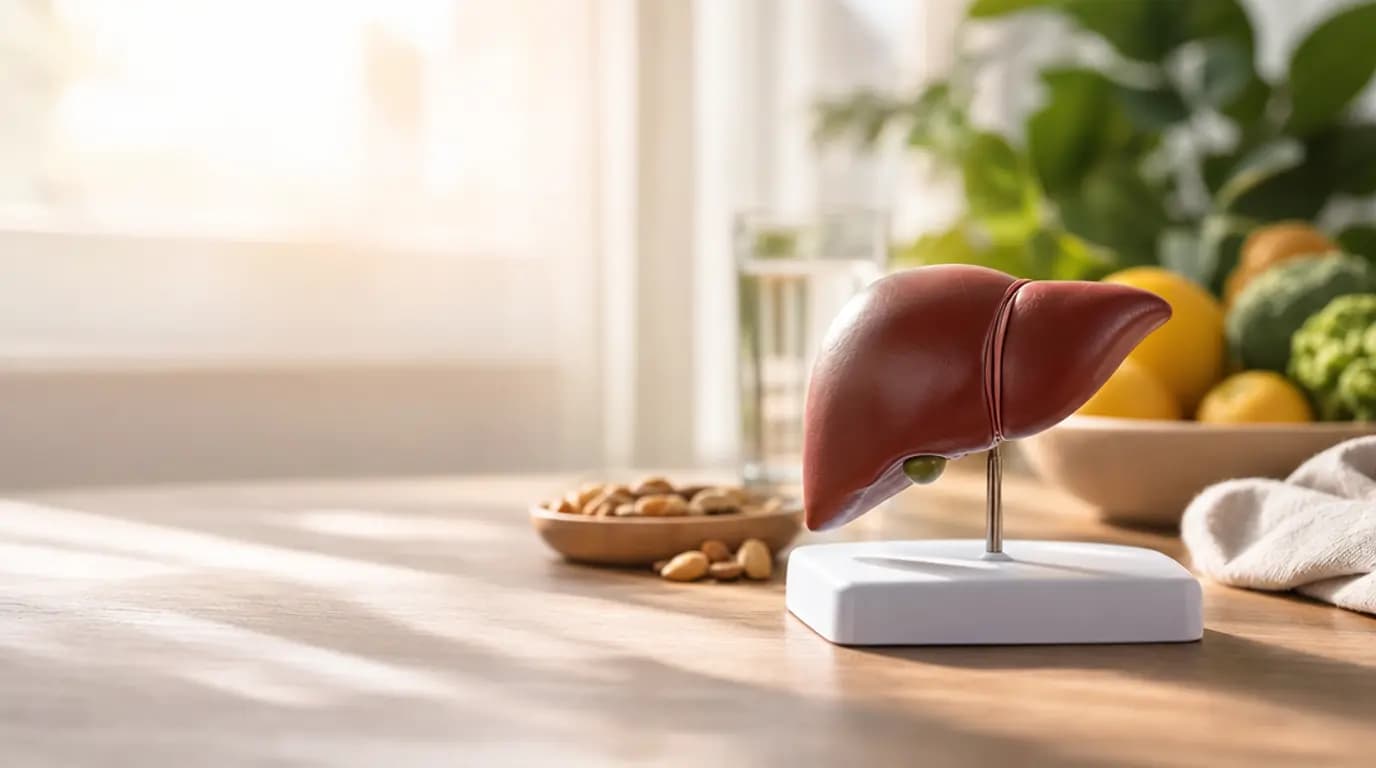
The liver, one of the largest internal organs of the body, performs many vital functions. It is responsible for detoxifying toxins, digesting nutrients, and storing energy. Therefore, maintaining the health of this organ has a significant impact on our overall health. Hepatitis is an inflammatory condition affecting the liver and can lead to serious health problems if left untreated. Hepatitis B and C are among the most common types of viral hepatitis, and these viruses can damage the organ and eventually lead to failure.
To protect organ health, regular check-ups and adopting a healthy lifestyle are of critical importance. In this article, we will discuss what you can do to maintain your health and what you need to know about hepatitis.
There are many factors to consider for maintaining liver health. Here are some of these factors:
Regular Check-Ups: Regular blood tests should be conducted to monitor organ health. These tests help evaluate enzyme levels and overall health status. For example, monitoring ALT and AST enzyme levels provides important information about the organ's functionality. Results outside normal values can be an early indicator of damage. Early diagnosis allows for intervention before more serious damage occurs.
Nutrition: A balanced and healthy diet supports the organ's functions. Foods rich in vitamins and minerals should be preferred. Leafy green vegetables, citrus fruits, and whole grains can help keep the organ healthy. Antioxidants play an important role in protecting the organ. In addition to vitamin C, vitamin E also has strong antioxidant properties and protects against free radicals. It is also important to avoid fatty and processed foods to maintain health.
Alcohol Consumption: Excessive alcohol consumption can damage the organ. It is important to limit alcohol intake and quit completely if necessary. According to the World Health Organization, alcohol consumption is one of the leading causes of cirrhosis. Toxic substances are formed during the metabolism of alcohol, which can damage cells. The effects of alcohol on this organ can vary from person to person, but can lead to serious damage in the long term.
Obesity: Obesity can lead to fatty liver and pave the way for diseases. Weight control should be achieved through regular exercise and healthy eating. A body mass index (BMI) over 25 can increase the risk of fat accumulation. This condition can prevent the organ from performing its normal functions and eventually lead to cirrhosis. Obesity is also associated with other health issues such as metabolic syndrome.
Viral Infections: Viral infections such as hepatitis B and C are significant factors threatening organ health. Vaccinations and regular tests are important to protect against these viruses. The hepatitis B vaccine can greatly reduce the risk of infection, while there is currently no vaccine for hepatitis C. However, early diagnosis is possible with regular screening tests. Early diagnosis and treatment of these infections can prevent serious damage to the organ.
Paying attention to these factors to protect your health can prevent long-term health issues.
Here are some practical tips you can apply in daily life to maintain your health:
Balanced Diet: Adopt a diet that includes vegetables, fruits, whole grains, healthy fats, and protein sources. Foods containing antioxidants help protect the organ. Catechins found in green tea have strong antioxidant properties and can support its functions. Additionally, foods containing sulfur, such as garlic and onions, support detoxification processes.
Adequate Water Consumption: Drinking at least 8-10 glasses of water a day helps cleanse toxins. Water supports the body's overall functions. Insufficient water intake can negatively affect detoxification processes, leading to toxin accumulation. Drinking water also ensures proper kidney function, which eases the organ's burden.
Regular Exercise: Engaging in at least 150 minutes of moderate physical activity per week is important for weight control and supporting health. Exercise speeds up metabolism and reduces fat accumulation. Aerobic exercises can be effective in preventing fat accumulation. Exercise also increases insulin sensitivity, reducing fat storage.
Avoiding Alcohol and Tobacco Consumption: Alcohol and tobacco use can damage the organ. Staying away from these substances protects your health. Harmful chemicals in tobacco smoke can create toxic effects and increase cancer risk. Smoking can also reduce detoxification capacity.
Vaccination: Getting vaccinated against hepatitis B reduces your risk of infection. Regular screening tests should be conducted for hepatitis C. The hepatitis B vaccine is recommended, especially for high-risk groups and healthcare workers. Vaccination strengthens the immune system, reducing infection risk.
Integrating these simple yet effective steps into your daily life will help you maintain your health.
Hepatitis may not always show obvious symptoms. However, it is important to consult a doctor when the following symptoms are observed:
Fatigue: Constantly feeling tired may indicate impaired function. This condition can negatively affect daily life quality. Fatigue may result from insufficient energy metabolism. Fatigue can also be a symptom of other diseases.
Jaundice: Yellowing of the skin and eyes indicates elevated bilirubin levels. Jaundice is an important sign that the liver is not functioning properly. Bilirubin is produced from the breakdown of red blood cells and processed by the organ. A disruption in this process can lead to increased bilirubin levels. Jaundice generally indicates significant liver impairment.
Nausea and Vomiting: Dysfunction can lead to digestive problems. These symptoms may indicate that the organ is not functioning healthily. Such issues in the digestive system may also be related to disruptions in bile production. Nausea and vomiting may indicate reduced detoxification capacity.
Abdominal Pain: If you feel pain, especially in the upper right abdomen, it may be a sign of liver problems. Pain can occur in cases of inflammation or damage. Such pains may be related to liver enlargement or inflammation of surrounding tissues. Abdominal pain may indicate significant liver impairment.
Changes in Urine Color: Dark-colored urine may indicate that the liver is not functioning healthily. This condition may be a sign that toxins are not being adequately cleared. Changes in urine color may also be linked to disruptions in bilirubin metabolism. Changes in urine color may indicate significant liver impairment.
If you experience one or more of these symptoms, you should consult a doctor. Early diagnosis is crucial in the treatment process. Additionally, risk factors include high alcohol consumption, obesity, and viral infections. Individuals exposed to these factors are advised to undergo regular check-ups.
It is important to pay attention to the following recommendations to maintain liver health:
Balanced and Healthy Diet: Review your eating habits. Avoid fast food and processed foods. Instead, adopt a diet that includes fresh vegetables and fruits, whole grains, and healthy fats. Omega-3 fatty acids, in particular, can help maintain liver health. Increasing the fiber content in your diet can support your digestive system.
Regular Exercise: Physical activity supports liver health. Exercising for at least 150 minutes a week helps with weight control. Exercise can reduce insulin resistance and prevent fat accumulation. Exercise also increases blood circulation, allowing the liver to function more effectively.
Limiting Alcohol Consumption: Alcohol is one of the liver's biggest enemies. Limiting or completely quitting alcohol consumption is important for maintaining liver health. The toxic effects of alcohol on the liver can lead to cirrhosis. Reducing alcohol consumption can help regenerate liver cells.
Vaccination: Get vaccinated against hepatitis B. Conduct regular screening tests for hepatitis C to reduce your risk of infection. Vaccines strengthen your immune system, reducing the impact of viruses. Vaccination helps protect the liver against viral infections.
Avoiding Stress: Stress can negatively affect overall health. Relaxation techniques and hobbies can help reduce stress. Stress can increase cortisol levels, negatively affecting liver function. To reduce stress, you can try activities such as meditation or yoga.
Complaints related to the liver can vary from person to person. Generally, Internal Medicine departments can provide guidance for evaluation. The aim is to determine the correct direction and appropriate follow-up plan. Internal Medicine departments can evaluate liver health through function tests and, if necessary, refer to the gastroenterology department. These departments can thoroughly assess liver function and overall health status.
Yes, hepatitis causes inflammation of the liver and can lead to liver damage in the long term. Hepatitis B and C are among the leading causes of chronic liver diseases. These viruses can disrupt liver function, leading to serious health issues.
Yes, liver problems can cause nausea and vomiting, leading to digestive issues. These symptoms may also be related to disruptions in bile production. Liver dysfunction can disrupt the balance of the digestive system.
Individuals with liver disease should consult a doctor before consuming mushrooms. Some types of mushrooms can be harmful to health and negatively affect liver function. In cases where the liver is sensitive, it is important to pay attention to your dietary habits.
Liver diseases can affect blood clotting, leading to nosebleeds. The deficiency of clotting factors produced by the liver can increase the risk of bleeding. Such bleeding may indicate significant liver impairment.
Symptoms of hepatitis B and C include fatigue, jaundice, nausea, and abdominal pain. Symptoms can vary from person to person and may not show for a long time in some cases. Therefore, regular check-ups and tests are important.
For liver health, leafy green vegetables, citrus fruits, whole grains, and foods containing omega-3 fatty acids are important. These foods support detoxification processes. Additionally, foods containing antioxidants help protect the liver.
To prevent liver fat accumulation, it is important to exercise regularly, eat a balanced diet, and limit alcohol consumption. Additionally, weight control can reduce the burden on the liver. Adopting a healthy lifestyle is an effective method to prevent liver fat accumulation.
Environmental toxins, chemicals, and polluted air can negatively affect liver health. Necessary precautions should be taken to protect against such factors. Minimizing exposure to environmental factors is an important step in protecting liver health.
Liver health is an important part of our overall health status. Developing healthy lifestyle habits is crucial for preventing hepatitis and liver diseases. Regular check-ups, balanced nutrition, and a healthy lifestyle will help you maintain your liver health. Remember, if symptoms persist, consult a doctor.