
Yükleniyor...
Yükleniyor...
Learn about healthy nutrition during pregnancy, the selection of appropriate foods, and important considerations.
The pregnancy period is a unique process in which women experience numerous physical and mental changes. During this time, healthy nutrition is critically important for both the mother's and the baby's health. Proper eating habits can support healthy development throughout pregnancy while reducing the risk of potential complications. Especially in regions like Şanlıurfa, where local climate and food diversity are present, pregnant women need to create a healthy diet considering these factors.
In this article, we will provide detailed information on how healthy nutrition should be during pregnancy, which foods should be consumed, and the elements that need attention. We will also address common mistakes related to nutrition and misconceptions.
Healthy nutrition is of great importance during pregnancy for the following reasons:
Baby's Development: It is essential to obtain the necessary nutrients for the healthy development of the baby. Nutrients such as folic acid, iron, calcium, and omega-3 fatty acids are particularly critical. These nutrients play a vital role in the baby's organ development and nervous system. Folic acid, in particular, helps prevent neural tube defects during the early stages of pregnancy.
Mother's Health: Good nutrition increases the mother's energy levels and reduces pregnancy-related discomforts. Inadequate nutrition can lead to pregnancy complications. Additionally, a healthy diet can accelerate the mother's recovery process after childbirth. Therefore, it is crucial to pay attention to adequate nutrient intake throughout pregnancy.
Birth Weight: Adequate and balanced nutrition affects the baby's birth weight. Low birth weight can negatively impact newborn health. Sufficient nutrition ensures that the baby is born healthy. Moreover, a healthy birth weight contributes to the prevention of obesity and other health issues in later years.
Immune System: A healthy diet strengthens the mother's immune system and increases her resistance to diseases. This is particularly important for protecting the mother's health during pregnancy. Adequate intake of vitamins and minerals provides a protective effect against infections.
It is important to consider the following food groups for healthy nutrition during pregnancy:
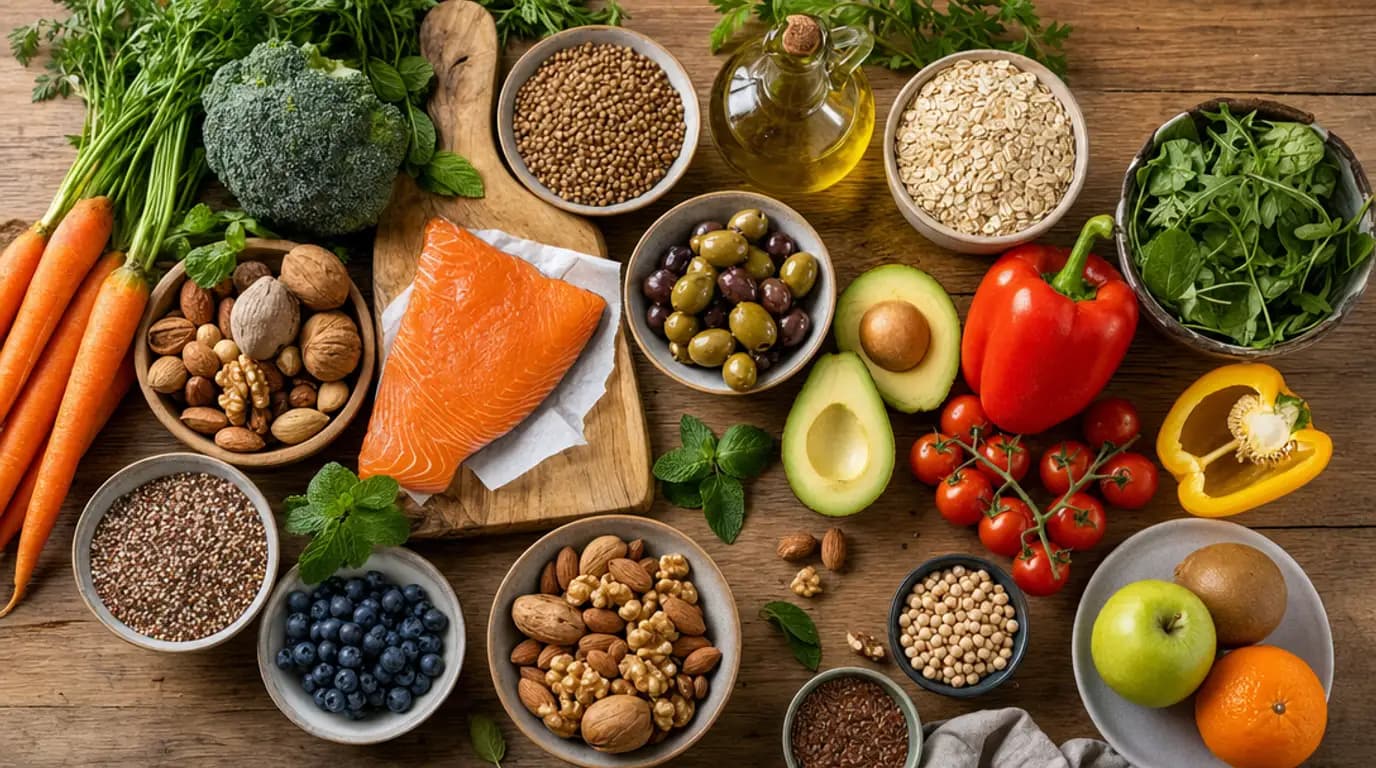
Vegetables and Fruits: At least 5 servings should be consumed daily. They are rich in vitamins and minerals. Dark green leafy vegetables, in particular, are rich in vitamin C and folic acid. Vegetables such as spinach, broccoli, and cauliflower should be preferred. Fruits are rich in antioxidants and support the immune system.
Whole Grains: Whole grain products like bread, rice, and pasta provide fiber and energy. Fiber helps the digestive system function regularly. Whole grains are also rich in B vitamins. Options like oats, brown rice, and whole wheat bread should be preferred in daily nutrition.
Protein Sources: Well-cooked meat, fish, eggs, milk, dairy products, and legumes should be particularly preferred. Protein is necessary for cell repair and growth. It is also important for the development of the baby's muscles and tissues. Fish like salmon, which contains omega-3 fatty acids, is beneficial for brain development.
Healthy Fats: Healthy fats such as olive oil, avocado, and nuts are important for the baby's brain development. Omega-3 fatty acids play a critical role in the development of the baby's nervous system. Additionally, these fats are beneficial for heart health. Healthy fats add flavor to meals while providing an energy source for the body.
Fluid Intake: Adequate water intake is necessary for both the mother's and the baby's health. It is recommended to consume at least 2-3 liters of water daily. Water helps the body's functions work properly and facilitates the elimination of toxins. Additionally, fluid intake contributes to the prevention of digestive issues such as constipation.
Healthy nutrition during pregnancy is not only about what we eat but also about what we should avoid. Below are some important points to consider:
Raw and Undercooked Foods: Consumption of raw meat, fish, or eggs should be avoided. These foods increase the risk of foodborne illnesses. Bacteria such as listeria and salmonella can cause serious health issues during pregnancy. Undercooked foods can also increase the risk of food allergies. Proper cooking of foods is critical for health.
Processed Foods: Processed meat products like salami and sausages should be avoided as they contain nitrites and nitrates. These types of foods may contain additives that can be harmful to health. Instead, fresh and natural foods should be preferred. Excessive consumption of processed foods can lead to health issues such as obesity and heart diseases.
Alcohol and Caffeine: Alcohol consumption should be completely avoided. Caffeine intake should be limited to a certain level per day. Excessive caffeine intake can increase the risk of low birth weight and premature birth. Herbal teas can be preferred instead of tea and coffee during pregnancy. To reduce caffeine intake, decaffeinated beverages or plant-based alternatives can be chosen.
Unpasteurized Products: Unpasteurized milk and dairy products carry a risk of listeria. Therefore, consumption of such products should be avoided. Pasteurized milk offers a safe alternative. Additionally, attention should be paid to ensure that dairy products like cheese are also pasteurized.
During pregnancy, the following foods are recommended:
Green Leafy Vegetables: Vegetables like spinach and broccoli are rich in folic acid. Folic acid reduces the risk of neural tube defects. Additionally, the fiber found in these vegetables supports digestive health. Green vegetables are also important sources of vitamins and minerals.
Legumes: Foods like lentils and chickpeas are sources of protein and iron. Iron is necessary for hemoglobin production and reduces the risk of anemia. Moreover, the high fiber content of legumes positively contributes to the digestive system. Therefore, it is recommended to consume legumes several times a week.
Whole Grain Products: These facilitate digestion due to their high fiber content. Additionally, whole grains increase energy levels. Consuming oatmeal or whole wheat bread for breakfast is a good choice. Whole grains provide healthy carbohydrates and help you feel full for longer.
Here are some practical tips to integrate healthy eating into daily life during pregnancy:
Meal Planning: By planning your daily meals in advance, you can create healthy options. This helps you avoid unhealthy snacks. Creating weekly meal plans makes it easier to prepare shopping lists. Additionally, it makes the meal preparation process more efficient.
Snacks: Healthy snacks such as fruits, yogurt, or nuts should be preferred between meals. This helps maintain stable blood sugar levels. Nuts like hazelnuts and walnuts contain healthy fats and protein. Snacks reduce feelings of hunger between main meals.
Portion Control: Practicing portion control in food intake prevents excessive calorie consumption. Using smaller plates is an effective way to control portions. Additionally, eating slowly increases the feeling of fullness. Eating mindfully also aids the digestive process.
Balanced Plate: Each meal should maintain a balance of protein, carbohydrates, and fats. This ensures better absorption of nutrients in the body. Creating a plate that includes colorful vegetables, healthy protein sources, and whole grains is ideal. Additionally, consuming vegetables of different colors is beneficial for obtaining a variety of nutrients.
Some common misunderstandings and mistakes regarding healthy nutrition during pregnancy include:
"Eating for Two" Perception: Pregnant women may often think, "I need to eat for two." However, this can lead to unnecessary calorie intake. Healthy nutrition during pregnancy should focus more on nutrient value than calorie intake. Instead of calorie-dense foods, nutrient-rich foods should be preferred.
Dieting: Dieting during pregnancy is not recommended. However, it is important to make healthy choices for balanced nutrition. Healthy snacks should be preferred to prevent unnecessary weight gain. Additionally, working with a dietitian under the supervision of a healthcare professional can be beneficial. Customized diet plans tailored to individual needs can lead to a healthier pregnancy process.
The Fallacy That Raw Foods Are Harmless: Raw vegetables and fruits can carry a risk of bacteria if not washed properly. Therefore, vegetables and fruits should be thoroughly washed. Attention should be paid to hygiene rules before consuming raw foods. Properly preparing foods hygienically is extremely important for health.
Regular health checks and expert consultation are crucial during the pregnancy process. Obstetricians provide accurate information about nutrition during pregnancy, helping individuals have a healthy pregnancy. They also offer early diagnosis and treatment options for potential health issues that may arise during pregnancy. Working with nutrition experts can assist in creating customized diet plans based on individual needs. Regular blood tests during pregnancy are important for monitoring vitamin and mineral levels. Particularly, monitoring iron and calcium levels is critical for healthy development during pregnancy.
These complaints may vary from person to person. Generally, Obstetrics and Gynecology units can provide guidance for evaluation. The aim is to determine the correct referral and appropriate follow-up plan. Additionally, it would be beneficial for pregnant women seeking nutritional counseling to contact nutrition experts. Specialists can guide individuals in making informed choices regarding healthy nutrition during pregnancy.
Healthy nutrition for pregnant women should be achieved through a balanced and varied diet. A nutrition program should include vegetables, fruits, whole grains, quality proteins, and healthy fats. Additionally, attention should be paid to adequate fluid intake. This way, both maternal and fetal health is supported.
Iron supplements are recommended for women at risk of anemia during pregnancy. However, a healthcare professional should be consulted before use. Iron supplements are generally started during the second trimester of pregnancy. During this period, attention should also be paid to iron intake through nutrition.
While turmeric is known for its anti-inflammatory properties, excessive consumption should be avoided during pregnancy. Moderation is key. Turmeric can be added in small amounts to meals, but high doses are not recommended. Additionally, consulting an expert regarding the health benefits and risks of turmeric may be beneficial.
Every day, a balanced diet should include vegetables, fruits, whole grains, protein sources, and adequate fluid intake. Healthy snacks should also be included in daily nutrition. Particularly, providing variety in daily meals enriches nutrient intake.
Adequate calcium intake supports the baby's bone and dental development. It also protects the mother's bone health. Calcium can be obtained from foods such as milk and dairy products, green leafy vegetables, and almonds. Paying attention to calcium intake during pregnancy reduces the risk of osteoporosis in later years.
Healthy nutrition during pregnancy is vital for both maternal and fetal health. Proper food choices help ensure a healthy progression of pregnancy while reducing the risk of potential complications. It is important for pregnant women living in Şanlıurfa to create a balanced diet using local resources and to raise awareness in this regard. In case of any uncertainties regarding health, consulting a healthcare professional is the best approach. It should be remembered that each pregnancy process is individual, and personal nutritional needs should be taken into account.