
Yükleniyor...
Yükleniyor...
What are the symptoms of iron deficiency anemia? In this article, gain comprehensive information about the causes and symptoms of anemia.
Iron deficiency anemia is a condition that arises when the body is unable to produce sufficient amounts of hemoglobin. Hemoglobin is a protein that determines the oxygen-carrying capacity of red blood cells. Since it is a critical component of this protein, when there is a deficiency of iron in the body, hemoglobin production is adversely affected. This leads to the body being unable to transport the oxygen it needs adequately, which can consequently result in various health issues.
As the most common type of anemia worldwide, iron deficiency anemia is particularly prevalent among women and children. For instance, according to the World Health Organization (WHO), approximately 30% of women and 42% of children globally face this condition. Additionally, factors such as dietary habits and access to healthcare can influence the prevalence of iron deficiency anemia. In this article, we will discuss the symptoms, causes, and treatment methods for iron deficiency anemia.
Iron deficiency anemia occurs when there is insufficient iron in the body. There are several reasons for this:
Iron is one of the essential nutrients that the body needs. Inadequate nutrition, particularly the insufficient consumption of iron-rich foods, can lead to this condition. Foods such as red meat, chicken, fish, lentils, chickpeas, and leafy green vegetables are rich in iron. For example, 100 grams of red meat contains an average of 2.6 mg of iron, while the same amount of lentils contains about 3.3 mg. Insufficient consumption of these foods is one of the most common causes of iron deficiency anemia. Individuals adopting vegetarian or vegan diets should be cautious to increase their iron intake. Since iron from plant sources has a lower absorption rate compared to animal sources, it is recommended that these individuals consume iron-rich foods along with vitamin C-rich foods.
Excessive menstrual bleeding, gastrointestinal bleeding, or blood loss following surgical procedures can lead to decreased iron levels in the body. Particularly in women, heavy menstrual bleeding can contribute to this condition. Additionally, conditions such as gastric ulcers or hemorrhoids can also cause blood loss. According to a study conducted in Turkey, 15% of women experience heavy menstrual bleeding. Furthermore, trauma or bleeding resulting from accidents can also lead to iron deficiency. In this context, it is important for individuals experiencing blood loss to monitor their iron levels.
Certain health problems that affect the absorption of iron in the intestines can also lead to this condition. Conditions such as celiac disease, Crohn's disease, or gastritis can negatively impact iron absorption. Individuals with such diseases are at risk for iron deficiency anemia. For example, individuals with celiac disease may experience up to a 60% reduction in iron absorption. Additionally, the use of certain medications (especially antacids and proton pump inhibitors) can also adversely affect iron absorption.
Situations such as pregnancy, periods of growth, or intense physical activity can increase the body's iron requirements. Particularly pregnant women require more iron for fetal development. Therefore, it is important to pay attention to iron intake during pregnancy. The daily iron requirement during pregnancy can be approximately twice that of normal. Additionally, adolescents and athletes may also face increased iron needs.
Some medications can negatively affect iron absorption. Particularly certain antibiotics and medications that reduce stomach acid can hinder iron absorption. Therefore, it is important for individuals using such medications to regularly monitor their iron levels. Patients undergoing long-term treatment should be especially cautious in this regard. It should also be noted that some herbal products used as supplements may affect iron absorption.
Lifestyle changes and dietary recommendations are of great importance in the treatment of iron deficiency anemia. Here are some practical tips to increase iron levels:
Foods such as red meat, chicken, fish, lentils, chickpeas, spinach, and molasses are rich in iron. Regular consumption of these foods can help increase iron levels. Additionally, when iron is obtained from plant sources, it is recommended to consume it along with animal sources to enhance absorption. For example, adding meat to vegetable dishes or consuming a green salad with red meat can increase iron absorption.
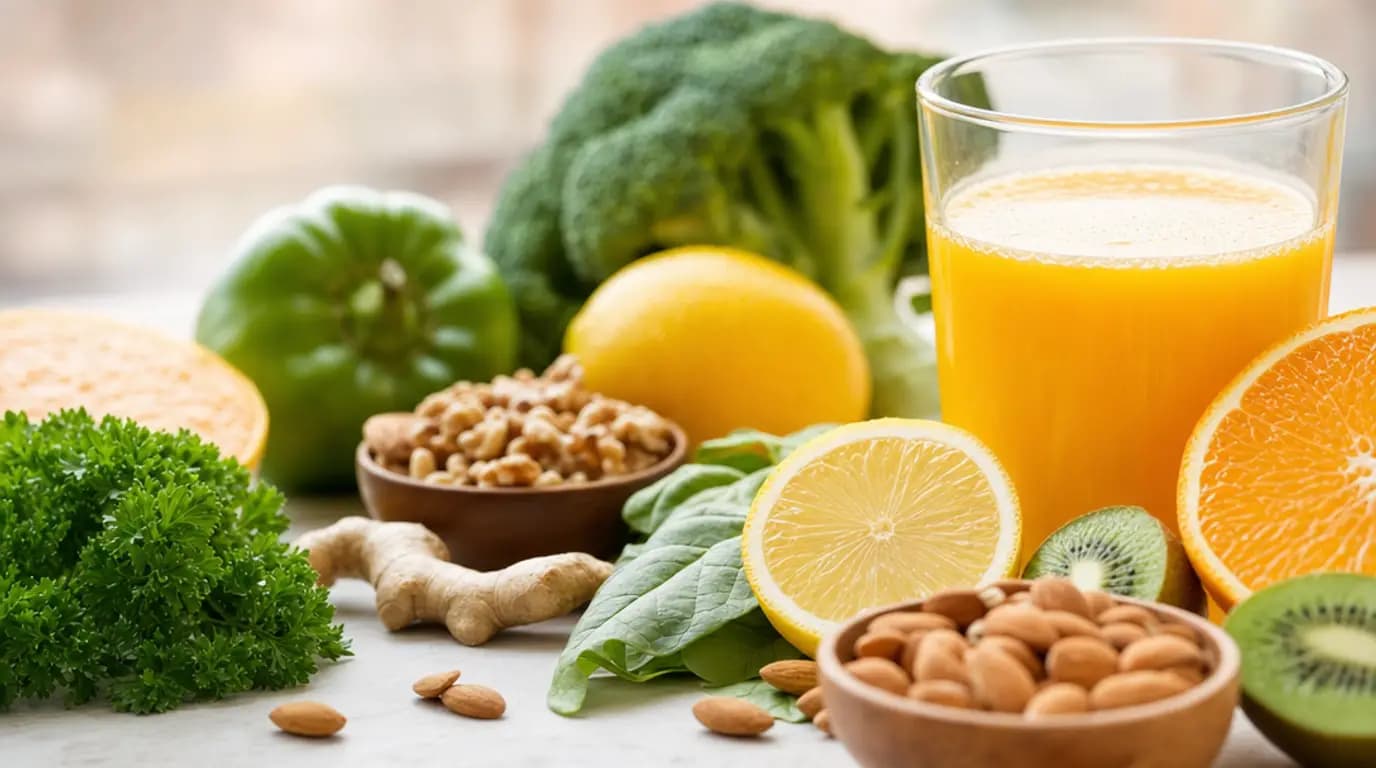
Vitamin C enhances iron absorption. Fruits such as oranges, lemons, and kiwis, as well as vegetables like peppers, are rich in vitamin C. Consuming these foods alongside iron-containing foods can boost iron absorption. For instance, drinking freshly squeezed orange juice with an iron-rich meal can increase iron absorption by 30%. Furthermore, the consumption of vitamin C-rich foods can also enhance the effectiveness of iron supplements.
Iron supplements may be used under the recommendation of a healthcare professional. However, caution should be exercised as these supplements can have side effects. Iron supplements are generally an effective method for treating anemia, but it is essential to consult a healthcare professional before use. Additionally, iron supplements are usually recommended to be taken after meals, as taking them on an empty stomach can lead to stomach discomfort. When taking supplements, it is important to determine the correct dosage to meet the body's iron needs.
Regular health check-ups should be conducted to monitor iron levels. It is particularly important for individuals at risk of anemia to undergo blood tests. These tests help in monitoring iron levels and updating treatment plans when necessary. Regular check-ups are critical in preventing the progression of anemia. Additionally, it may be beneficial to consult with a healthcare professional about dietary habits during these check-ups.
The symptoms of iron deficiency anemia often start mildly and can be overlooked. However, as the symptoms progress, they become more pronounced. The main symptoms include:
Individuals with iron deficiency anemia tend to feel constantly tired throughout the day. This can make it difficult to carry out daily activities. Research shows that 80% of individuals with iron deficiency anemia report experiencing fatigue. Fatigue can affect both physical and mental performance, leading to difficulties in work and daily life.
Paleness of the skin is a common symptom of iron deficiency anemia. The paleness of the skin indicates that the body is not receiving enough oxygen. Particularly, dark circles under the eyes can also be associated with iron deficiency. This can affect individuals' appearance and create negative psychological effects.
Even with mild exercise, individuals with iron deficiency anemia often experience shortness of breath. This condition arises from a decrease in the body's oxygen-carrying capacity. Prolonged shortness of breath can negatively impact the quality of daily life. Therefore, it is important for individuals experiencing shortness of breath to consult a healthcare professional.
Feeling the heartbeat more than normal is one of the symptoms of iron deficiency anemia. The heart has to work harder to supply sufficient oxygen to the body. This condition can pose risks to heart health. Palpitations can become even more distressing when combined with stress or anxiety.
Feeling dizzy with sudden movements is a common occurrence in individuals with iron deficiency anemia. This is due to insufficient oxygen reaching the brain and other organs. Dizziness can increase the risk of falls and negatively impact daily activities. The feeling of dizziness is often associated with inadequate nutrition or excessive physical activity.
Iron deficiency can lead to hair loss. Insufficient nourishment of hair follicles can cause hair to fall out. Studies show that individuals with iron deficiency experience hair loss rates that are 50% higher than normal. Hair loss can negatively affect individuals' self-esteem and complicate their social lives.
When these symptoms are observed, it is important to consult a healthcare professional. Particularly severe iron deficiency anemia can lead to heart problems and other serious health issues.
If left untreated, iron deficiency anemia can lead to serious health problems. These risks include:
Iron deficiency anemia causes the heart to work harder. In the long term, this can lead to serious heart problems such as heart failure. Heart health is directly related to iron levels. Heart diseases are a significant health issue worldwide, and iron deficiency anemia can exacerbate this condition.
Iron is necessary for the proper functioning of the immune system. Iron deficiency can weaken the immune system and increase susceptibility to infections. This condition can particularly increase the risk of infectious diseases in children and elderly individuals. Strengthening the immune system is critical for overall health.
Iron deficiency in pregnant women poses serious risks for both the mother and the baby. Issues such as low birth weight, premature birth, and postpartum complications can arise. Research indicates that 20% of women experiencing iron deficiency during pregnancy are at risk of premature birth. Therefore, paying attention to iron intake during pregnancy is crucial.
Iron deficiency in children can lead to growth and developmental problems. It can particularly have adverse effects on brain development. Iron deficiency in children can result in cognitive delays and learning difficulties. The effects of this situation can have long-term implications for education and social relationships.
These complaints may vary from person to person. Generally, Internal Medicine units can provide guidance for evaluation. The aim is to ensure proper referral and establish an appropriate follow-up plan. Additionally, working with dietitians to review your dietary habits can also be beneficial. Dietitians can create personalized nutrition plans based on individuals' specific needs.
Iron deficiency anemia can lead to serious health problems such as fatigue, shortness of breath, and heart issues. It can also weaken the immune system. Prolonged iron deficiency can diminish quality of life.
Iron deficiency creates a general feeling of fatigue and weakness. Muscle pain and fatigue can be particularly noticeable. Additionally, symptoms such as dizziness and palpitations may also occur. This condition can complicate daily activities.
The consumption of iron-rich foods and support from vitamin C can increase iron levels. Particularly, animal sources such as meat and fish are absorbed better than plant sources. Additionally, iron supplements can also be used with the recommendation of a healthcare professional.
Iron deficiency anemia can become dangerous when hemoglobin levels fall below 10 g/dL. This condition may require emergency intervention. Hemoglobin levels should be monitored regularly.
If left untreated, iron deficiency anemia can lead to heart problems and other health issues. Additionally, it can increase the risk of infections due to a weakened immune system. This situation can negatively affect individuals' overall health.
Iron deficiency anemia is a widespread health issue globally. Being aware of its symptoms is important for early diagnosis and treatment. Adequate dietary habits and regular health check-ups can be effective in preventing this condition. If you have concerns about your health, do not hesitate to consult a healthcare professional.